Incorporating Cultural Experiences into Cycling Routes
Cycling tours offer an excellent way to explore new terrains while engaging with local cultures. Incorporating cultural experiences into cycling routes can enhance the journey, making it not just about the ride but also about the stories and traditions of the places visited. This article explores how cycling tour agencies can effectively integrate cultural experiences into their offerings.
Understanding the Importance of Culture in Cycling Tours
According to research, incorporating cultural elements into travel experiences can significantly enrich a person’s understanding and appreciation of a destination. Cycling routes that include cultural stops, such as local markets, historical landmarks, and community events, often provide cyclists with deeper insights into the local way of life. Many users report that these experiences enhance their enjoyment and connection to the places they visit.
"Cultural immersion during travel can create lasting memories and foster a greater understanding of diverse communities." - Travel Research Institute
How to Integrate Cultural Experiences into Cycling Routes
There are several effective strategies that cycling tour agencies can utilize to weave cultural experiences into their cycling routes:
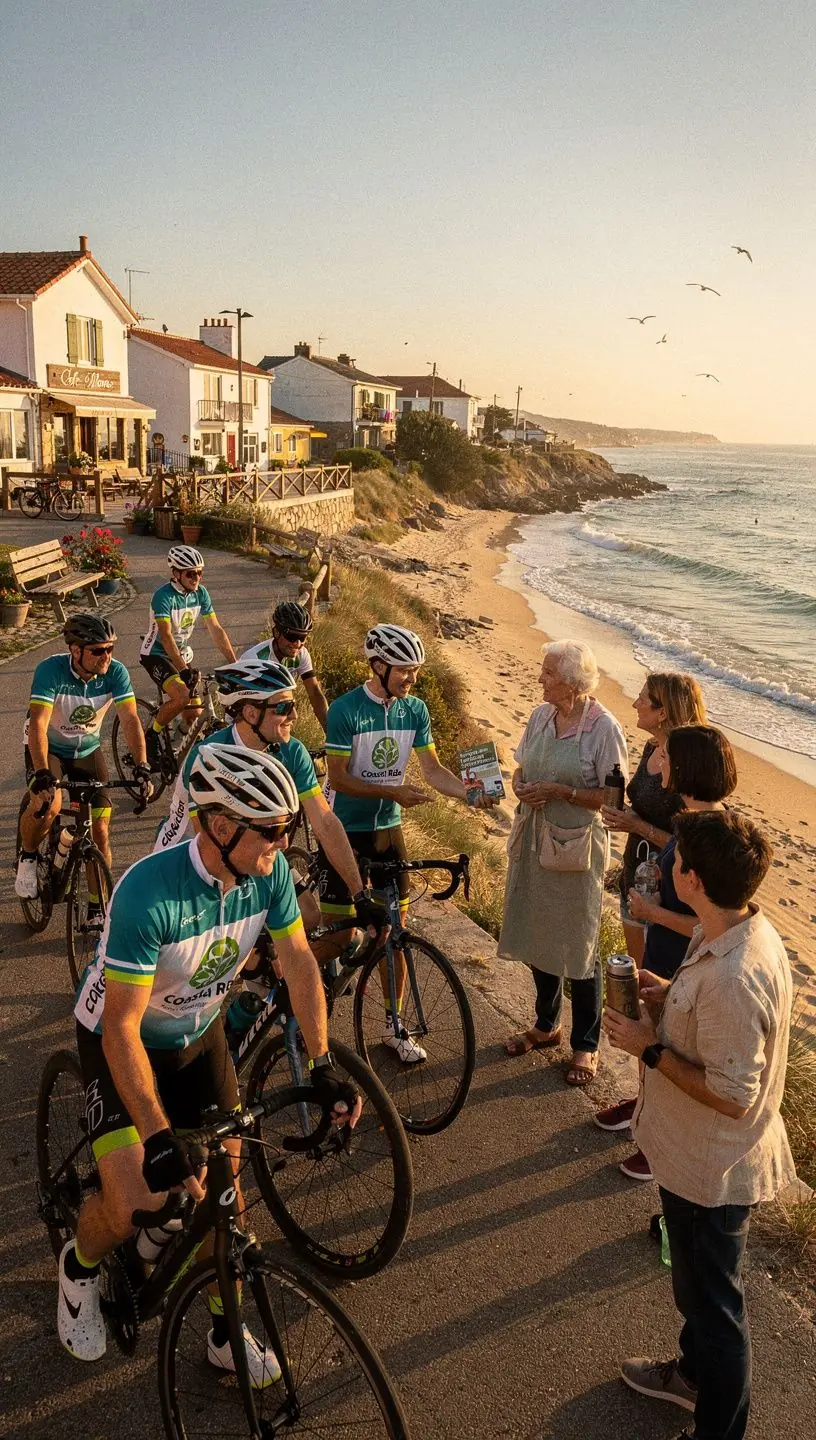
- Collaborate with Local Communities: Engaging with local artists, historians, and artisans can help incorporate authentic cultural experiences into cycling routes. Tours that feature local guides can provide unique insights and stories that enhance the journey.
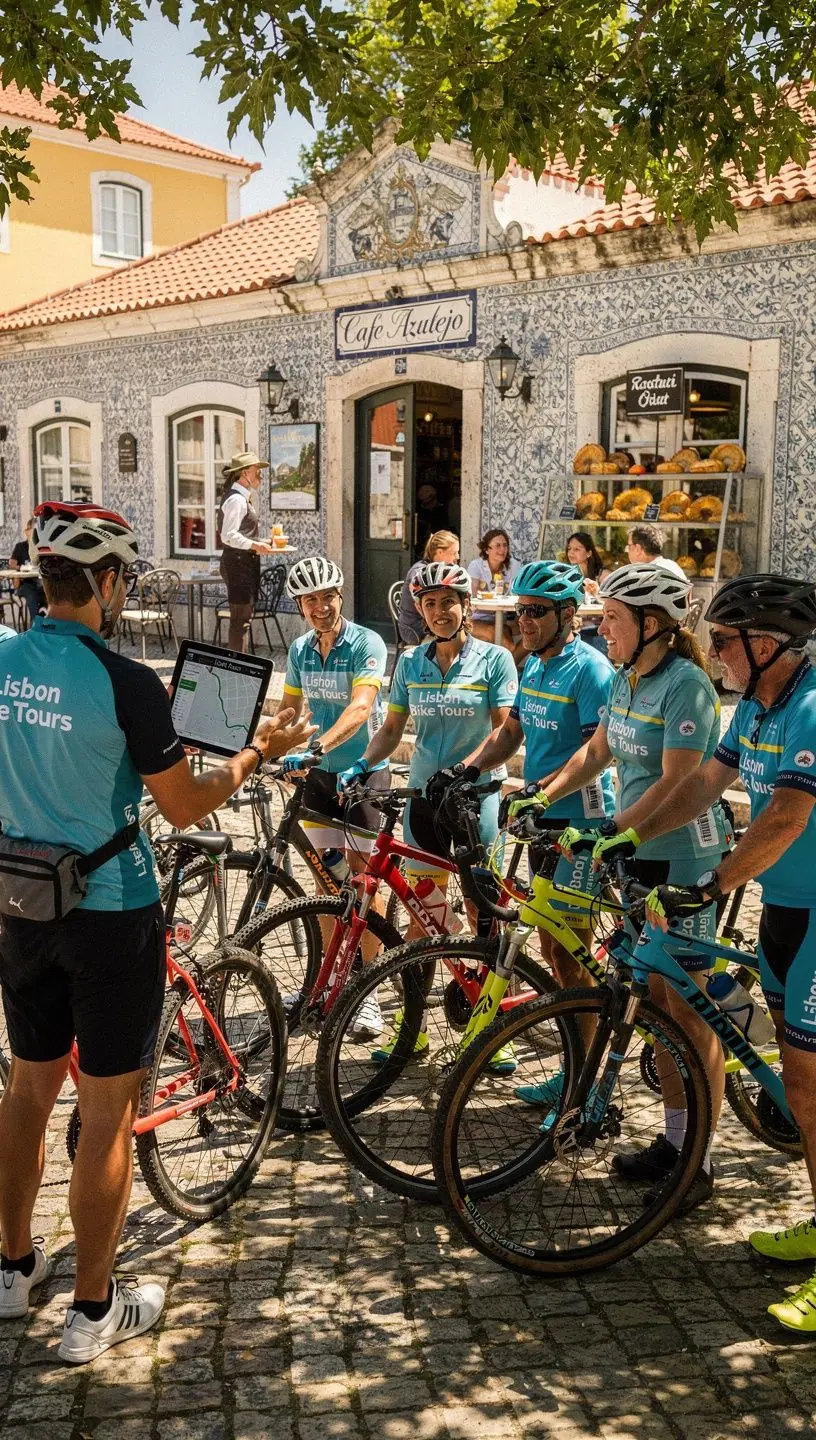
- Plan Cultural Stops: Including planned stops at museums, festivals, or local markets can provide cyclists with opportunities to engage with the culture. For example, a route through Lisbon could include a stop at a Fado music performance, allowing cyclists to experience this traditional genre of Portuguese music.
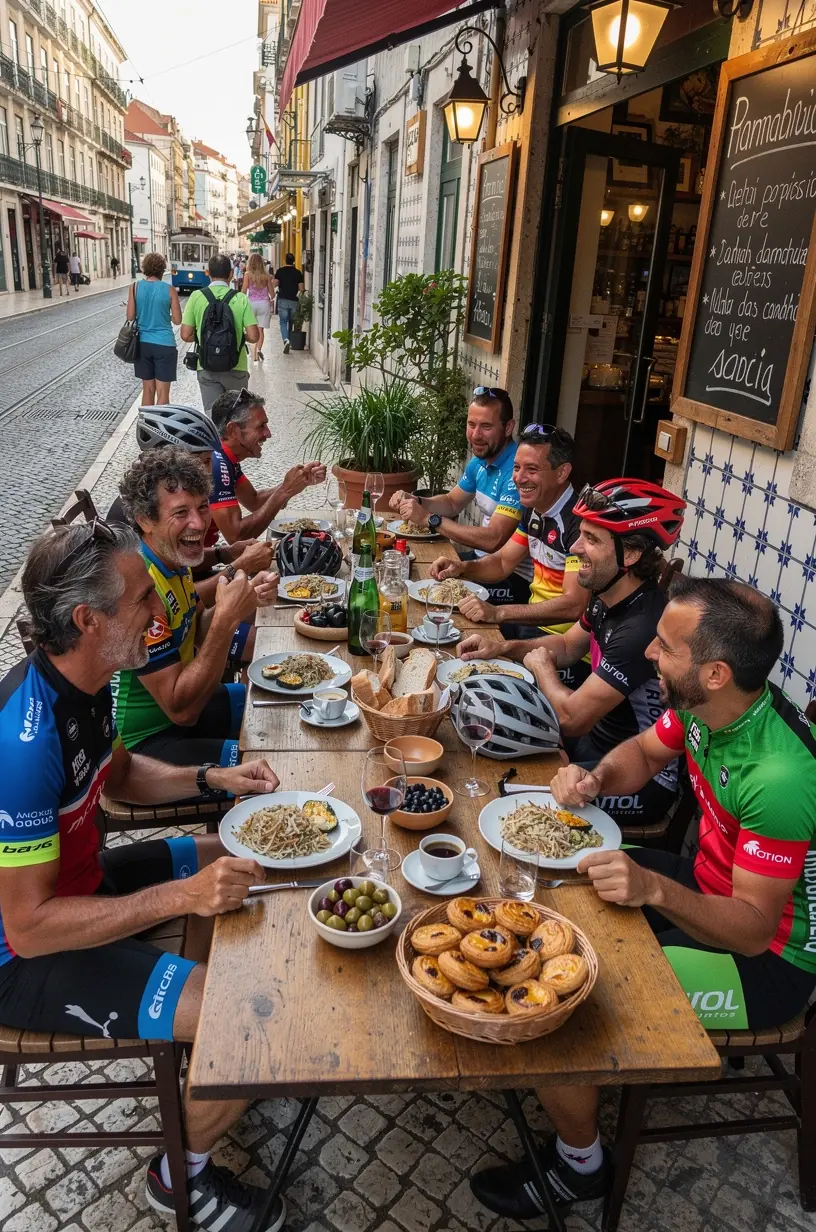
- Offer Culinary Experiences: Food is a vital aspect of culture. Incorporating local dining experiences, such as tasting traditional dishes or participating in cooking classes, can significantly enrich the cycling tour experience. Many studies show that food experiences can increase tourists' enjoyment and satisfaction.
Challenges and Considerations
While integrating cultural experiences can enhance cycling tours, it is essential to acknowledge some challenges:
- Time Commitments: Cultural experiences typically require additional time for planning and execution. Agencies may need to allocate extra time in itineraries to ensure these experiences are adequately covered.
- Engagement Levels: Not all participants may be equally interested in cultural experiences. It is crucial to strike a balance between cycling and cultural immersion, ensuring that all participants remain engaged throughout the tour.
- Logistical Challenges: Organizing cultural experiences may involve navigating local regulations, securing permits, or establishing partnerships with local businesses, which can be time-consuming.
Conclusion
Incorporating cultural experiences into cycling routes can enhance the journey for cyclists, providing them with a richer understanding of the destinations they explore. By collaborating with local communities, planning cultural stops, and offering culinary experiences, cycling tour agencies can create memorable and engaging experiences. However, it is essential to consider the time commitments and logistical challenges involved in integrating these elements. Ultimately, the goal is to provide an enriching experience that appeals to a wide range of participants, thereby enhancing the overall appeal of cycling tours.
Learn More