Tips for Communicating Effectively in Group Rides
Effective communication is crucial for enjoying and maximizing the experience of cycling in groups. In this article, we will explore practical tips to enhance communication during group rides, ensuring safety, enjoyment, and camaraderie among participants.
Understanding the Importance of Communication
In group cycling, effective communication is essential not just for navigating routes but also for ensuring the safety of all participants. According to cycling safety studies, clear communication can reduce accidents by up to 30%. This is primarily because timely verbal cues about obstacles, speed changes, and potential hazards can help cyclists to react appropriately.
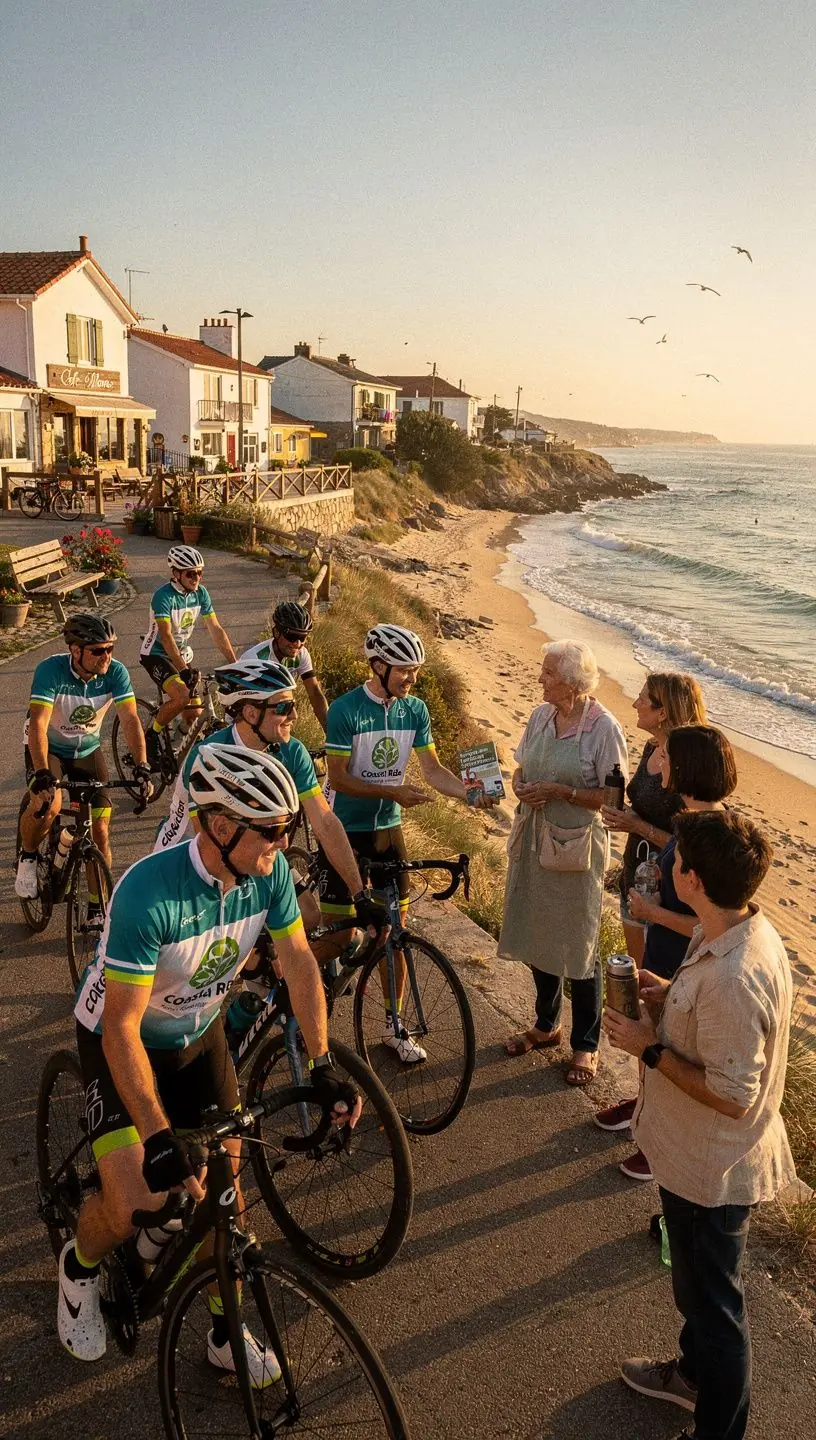
"Effective communication in group rides fosters a safer and more enjoyable experience for all participants."
Key Communication Strategies
Here are some proven strategies that can enhance communication during group rides:
- Use Clear Hand Signals: Many cyclists recommend using standardized hand signals to indicate turns, stops, and hazards. This practice not only keeps everyone informed but also helps to maintain a smooth flow in the ride.
- Establish Verbal Cues: In addition to hand signals, verbal cues are equally important. Phrases such as “slowing down” or “on your left” inform fellow riders of your actions, minimizing confusion.
- Maintain a Consistent Position: Positioning within the group can affect communication. Riders are encouraged to stay within a visible range to facilitate easier communication, particularly in larger groups.
Building a Supportive Atmosphere
Creating a friendly environment encourages open communication. Studies show that groups with supportive dynamics often report higher satisfaction levels during rides. Here are some tips to foster a positive atmosphere:
- Encourage Participation: Invite all riders to share any concerns or suggestions regarding the route or pace. This inclusivity can lead to better group cohesion.
- Be Patient and Respectful: Recognizing that not everyone has the same skill level is important. Encourage slower riders and offer constructive feedback rather than criticism.
- Celebrate Milestones: Acknowledging achievements, whether it’s completing a challenging climb or simply finishing the ride, can enhance group morale and communication.
Acknowledging Challenges
While implementing effective communication strategies can significantly improve group rides, it's important to acknowledge that challenges may arise. For instance, riders with varying levels of experience may struggle to keep pace, creating potential communication barriers. In such cases, it's beneficial to:
- Designate a lead rider who can set the pace and frequently check in with the group.
- Consider splitting into smaller groups based on skill level, allowing for more tailored communication and a better overall experience.
Conclusion
Effective communication in group rides can significantly enhance safety and enjoyment. By adopting clear signals and fostering a supportive atmosphere, cyclists can create a more cohesive riding experience. Remember, while these strategies require time and practice to implement effectively, they can lead to a more enjoyable cycling journey for everyone involved. Ultimately, prioritizing communication is a reliable approach to enhancing group dynamics on the road.
Learn More