Adapting to Different Cycling Skills in Group Rides
Cycling is a fantastic way to enjoy the outdoors, improve fitness, and connect with others. However, group rides can be challenging when participants have varying skill levels. This article explores effective strategies to accommodate different abilities in cycling tours, ensuring everyone has a rewarding experience.
Understanding the Skill Spectrum
In cycling, skill levels can typically be categorized into three main groups: beginners, intermediates, and advanced cyclists. According to cycling organizations, beginners usually possess basic riding skills, while intermediates can handle longer distances and varied terrains. Advanced cyclists, on the other hand, are often comfortable with challenging routes and speeds.
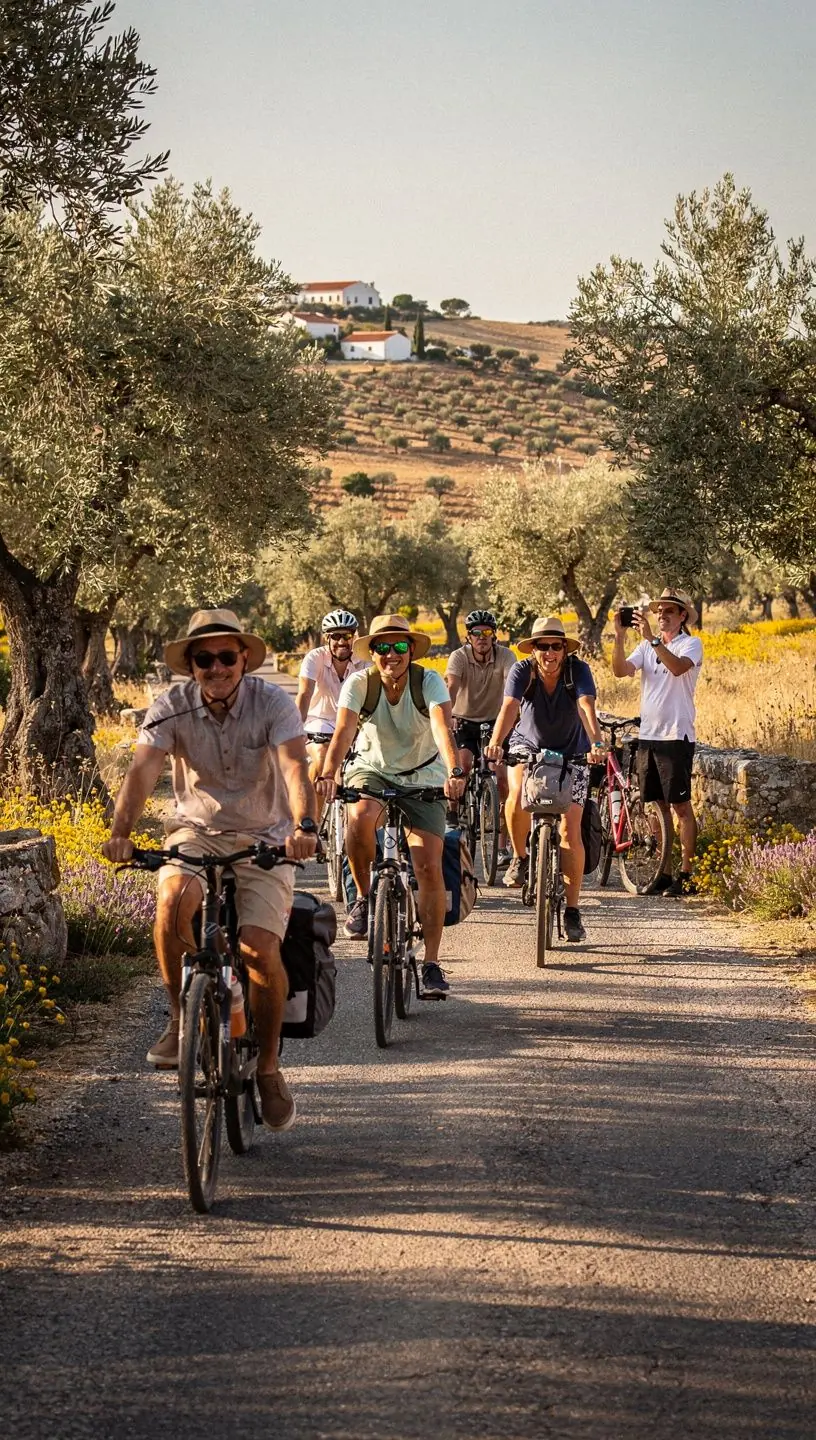
"Recognizing the diverse skill levels within a group is essential for a successful riding experience." - Cycling Expert
Strategies for Group Ride Inclusion
To accommodate cyclists of different abilities, consider implementing the following strategies:
- Route Planning: Create routes that offer options for different skill levels. For instance, an easier path can run parallel to a more challenging one, allowing cyclists to choose their level of difficulty.
- Pacing Groups: Divide participants into smaller groups based on their skill levels. This approach allows faster riders to enjoy their pace while providing support for beginners.
- Support Infrastructure: Ensure that there are support vehicles and rest stops available throughout the ride. This can provide reassurance to less experienced cyclists that help is readily available if needed.
Communication and Expectations
Effective communication before and during the ride is vital. It’s essential to set clear expectations about the pace, duration, and level of difficulty of the ride. Many users report feeling more comfortable and engaged when they understand what to expect. According to cycling studies, clear communication can significantly enhance the overall experience for participants.
Encouragement and Support
Encouraging cyclists, regardless of their skill level, fosters a positive environment. Group leaders should aim to be supportive and inclusive, helping to build each participant’s confidence. This works because when beginners receive encouragement, they often feel empowered to improve their skills and engage more fully in future rides.
Conclusion
Adapting to various cycling skills in group rides is achievable with thoughtful planning and execution. By understanding the skill spectrum, implementing supportive strategies, and fostering clear communication, cycling tour agencies can create an inclusive atmosphere. Ultimately, these practices not only enhance participation but also promote a culture of camaraderie and shared passion for cycling.